This article may include affiliate links. We may earn a commission from purchases, at no extra cost to you. Read our disclosure.
In this guide
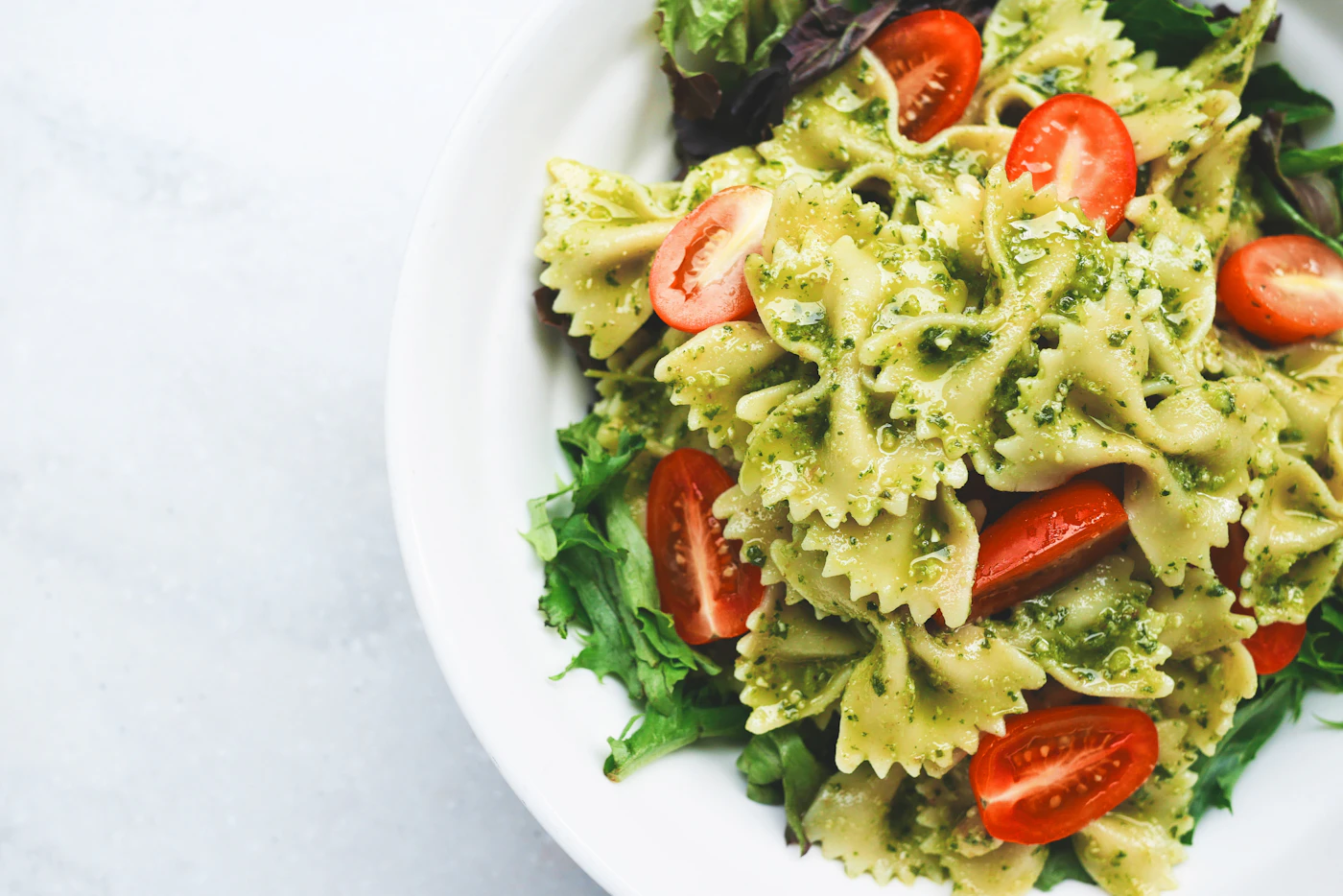
The most useful pantry dinner has a clear center of gravity. For this pasta, that center is tomato sauce with enough body to cling to the noodles. Garlic, olive oil, and a little patience create the base. Everything else should deepen the sauce or add contrast, rather than turn it into a cupboard clear-out.
This is a flexible cooking framework for an ordinary evening. Make the plain version with a short ingredient list, then decide whether olives, beans, greens, or cheese would improve the meal. Begin with what sounds good together instead of assuming every available ingredient belongs in the pan.
Set out a simple base
For two servings, use roughly 180–220 grams of dried pasta, one can of tomatoes, two garlic cloves, olive oil, and seasoning. Crushed tomatoes produce an easy sauce; whole tomatoes can be broken up with a spoon. Choose a pasta shape that is comfortable to eat with the additions you plan.
Short shapes work especially well with beans or chopped vegetables. Long noodles suit a smoother sauce. Neither requires a special purchase if another shape is already open. Read the package instructions so you know when to begin checking the pasta.
Build flavor without scorching the garlic
Warm a little olive oil in a wide pan. Add sliced or chopped garlic and let it become fragrant over a moderate heat. If it darkens rapidly, lower the heat before adding the tomatoes. Burnt garlic makes the sauce bitter, and adding more ingredients will not reliably disguise it.
Pour in the tomatoes carefully, then stir and season lightly. Let the sauce simmer gently while you prepare the pasta. Stir occasionally and watch the bottom of the pan as it thickens. A wide pan encourages evaporation; a narrow saucepan may need more time to reach the same texture.
Give each addition a purpose
A spoonful of tomato paste creates a deeper tomato flavor. Cook it briefly in the oil before adding canned tomatoes. Chopped olives or capers bring a salty edge, so taste before adding more salt. A pinch of chili flakes adds warmth without requiring an entirely different sauce.
For a more substantial dinner, add drained white beans to the simmering sauce. For greens, stir in chopped spinach toward the end and let it wilt. If using zucchini, cook it separately first so it does not release too much water into the finished pasta.
Finish the pasta in the sauce
Cook the noodles according to their package directions, checking the texture as the suggested finishing time approaches. Before draining, reserve some cooking water in a heatproof cup. This gives you a controlled way to loosen the sauce later.
Move the pasta into the sauce and toss thoroughly. Add a splash of reserved water if it looks tight or dry, then stir again before adding more. The aim is a glossy coating rather than a pool of thin liquid underneath. If the sauce is already loose, give it time to reduce before adding the noodles.
Taste the whole dish
Taste a forkful that includes both sauce and pasta. Add black pepper, herbs, or grated cheese if they suit the other ingredients. If the tomatoes taste particularly sharp, try a little more oil or cheese before reaching automatically for sugar. Different canned tomatoes behave differently, and the finished dish is the useful reference point.
Serve with a simple salad, sliced cucumber, or another crisp vegetable. A fresh side makes a practical contrast to a warm, soft main course without creating a second complicated recipe.
Keep the method economical
Buy tomato formats you will use in other meals. A large specialty jar is less useful than a familiar can if half the jar repeatedly goes unused. Likewise, a single hard cheese that works across several dinners can be more practical than multiple recipe-specific toppings.
If preparing ahead, keep sauce separate from uncooked pasta and follow appropriate storage guidance. Reheated cooked pasta may need a little liquid to restore its texture. Consider making only the noodles needed for that meal while saving sauce for another use.
Once this method feels familiar, change one element at a time: beans one week, olives the next, or a handful of greens. For a contrasting dinner, see roasted vegetable grain bowls. To make your cupboard easier to cook from, use the approach in a working pantry.