This article may include affiliate links. We may earn a commission from purchases, at no extra cost to you. Read our disclosure.
In this guide
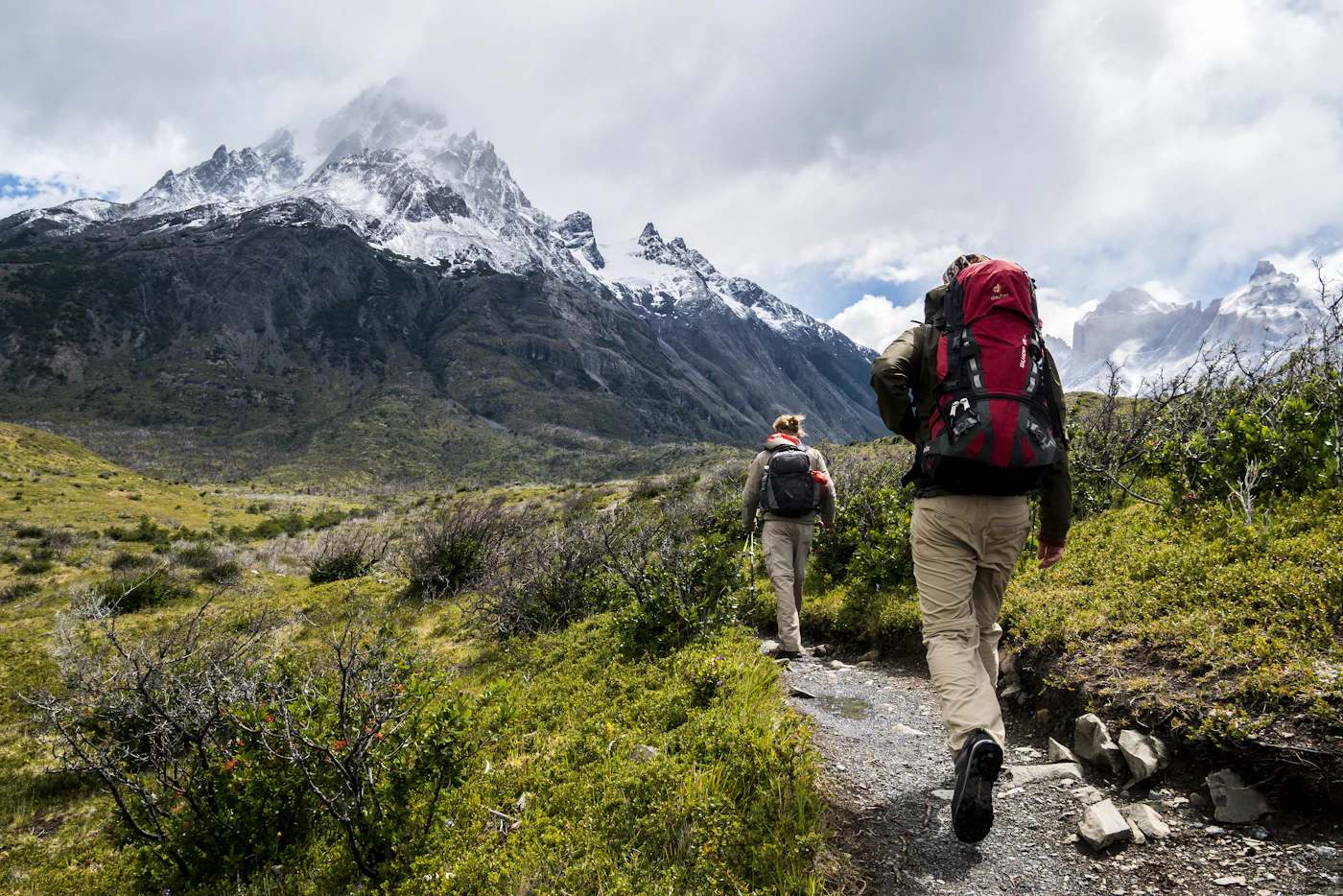
For a first weekend walk, choose a short, well-marked route with straightforward access and an easy way to turn back. Packing follows that choice. A bag cannot compensate for a route that exceeds your experience, the available daylight, or the conditions. Start with the outing you can comfortably manage, then prepare for ordinary changes along the way.
This guide concerns easy recreational walks, rather than remote mountain travel or technical terrain. Those activities require different planning and equipment. Even on an uncomplicated route, check the local conditions and official access information before leaving. A familiar-looking path can be affected by closures, flooding, or seasonal restrictions.
Understand the route before choosing the bag
Look at distance, ascent, surfaces, and likely duration. Check where the path begins and ends, whether facilities are available, and how you will return to your transport. A circular route is convenient only when you understand its full length. A simple out-and-back route can make an early turnaround easier.
Keep a usable route description or map accessible. If relying on a phone, prepare the relevant offline information and ensure sufficient battery. Know how to read what you have saved rather than discovering the map interface at a junction. Share your intended route and expected return with someone appropriate.
Carry water and realistic food
Bring enough drinking water for the outing and conditions, taking your own needs into account. Do not assume a café, tap, or shop will be available unless you have verified it. Choose a bottle that seals reliably and can be reached without emptying the entire bag.
A snack and, when appropriate, a simple packed meal give you flexibility. Pick food you can eat comfortably outdoors and pack it so it survives movement. Carry out wrappers and leftovers. If food needs temperature control, provide suitable storage instead of assuming cool weather makes any packing method adequate.
Use clothing layers you can adjust
Check the forecast for the route area, including wind and rain, then bring layers suited to those conditions. A spare warm layer may be useful when stopping, while an appropriate outer layer addresses forecast rain. Keep items you may need quickly near the top of the bag.
Comfort depends on fit and movement as well as fabric descriptions. Try bending, stepping up, and reaching while wearing the proposed clothing. A stiff waistband or a sleeve that restricts your arms can be irritating over a longer outing. Avoid making the walk the first occasion on which you discover a garment’s limitations.
Choose footwear by surface and fit
An easy maintained path may not require a heavy boot, while wet or uneven surfaces demand more consideration. Compare traction, fit, support, weight, and the manufacturer’s intended use. Waterproof construction can be useful in some conditions but involves tradeoffs in breathability and drying. There is no single specification that wins for every walk.
Merrell and Ariat are among the merchants people may encounter while researching footwear. Evaluate the exact model and return terms instead of treating a brand name as proof of suitability. Try footwear with the socks you intend to use, check heel movement and toe space, and wear it on a shorter outing first.
Include small practical essentials
Carry any personal medication you may need and an appropriate small first-aid kit that you understand how to use. Sun protection, a hat, and other weather-related items depend on conditions. Tissues and hand-cleaning supplies are useful where facilities are limited. Keep valuables and items that must remain dry protected appropriately.
A light source can be sensible when delays might bring you close to dusk, but planning an easy walk in ample daylight is still the better starting point. Emergency preparation should be proportionate to the location and your abilities. Follow local outdoor guidance where the route calls for particular precautions.
Fit the bag before setting off
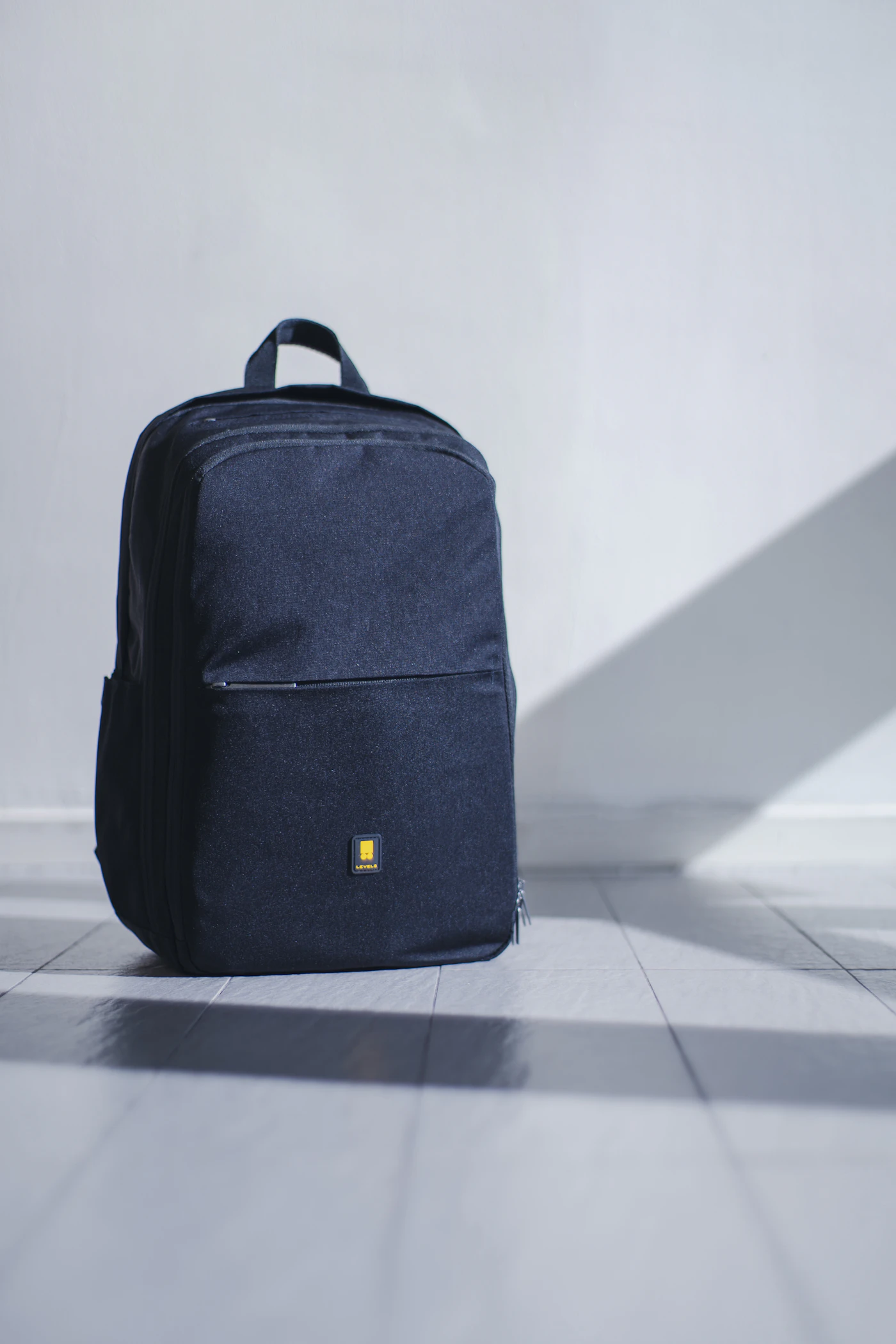
Choose a day bag large enough for the essentials without inviting unnecessary weight. Check strap adjustment, access to water, and how the loaded bag sits while walking. A bag that feels fine empty can pull awkwardly once packed. Put heavier items close to your back and avoid loose objects swinging outside.
After the walk, note what you used and what was missing. Keep emergency and weather essentials even if they stayed untouched; remove items that served no plausible purpose. For the wider day, use a flexible day-trip plan. If conditions make the route unsuitable, a restful indoor weekend is a perfectly valid alternative.